
Beyond the Blend: Creating a Winter-Ready Seed Mix for Backyard Birds
Birding by BirdReel
November 9, 2026
3 views
Fueling Feathered Friends Through Winter
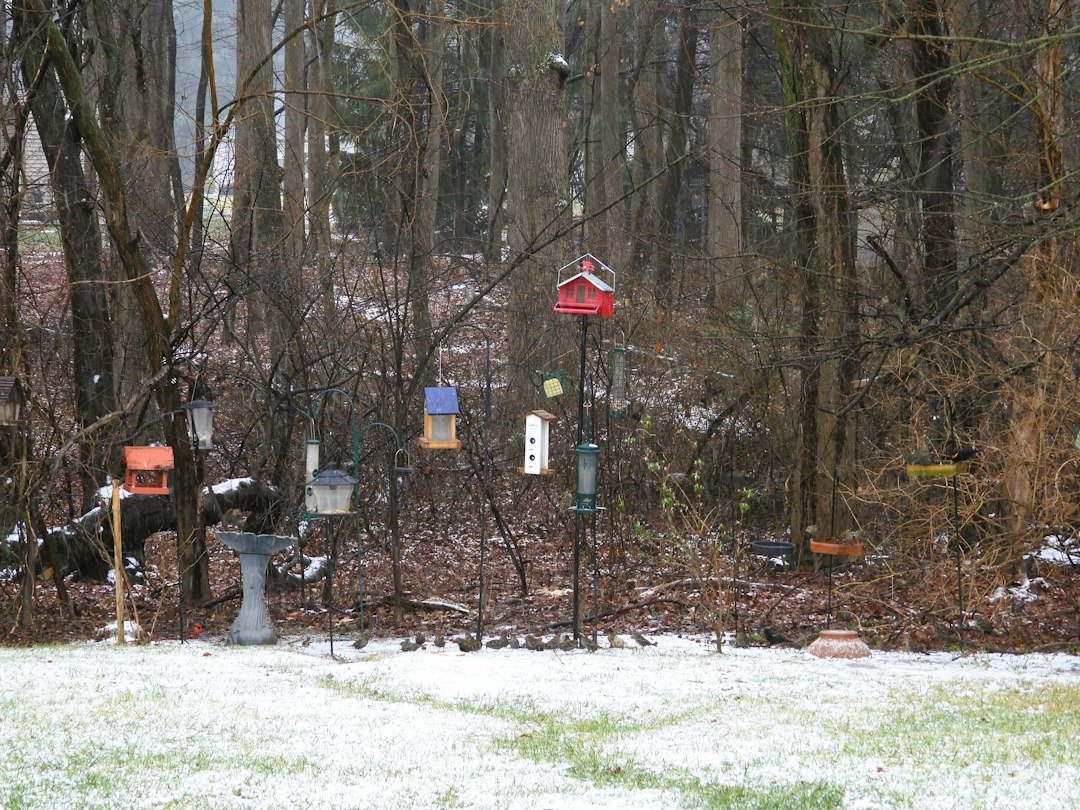
As the temperatures drop and the days grow shorter, our backyard birds rely on us more than ever for sustenance. While a general birdseed mix is fine for much of the year, winter calls for a more specialized approach. Creating a high-energy seed mix is key to helping birds survive and thrive during the coldest months. It’s not just about filling the feeder; it’s about providing the right fuel for warmth and energy.
Essential Ingredients for a Winter Mix
When crafting your winter birdseed blend, focus on ingredients that offer maximum caloric value. Some top choices include:
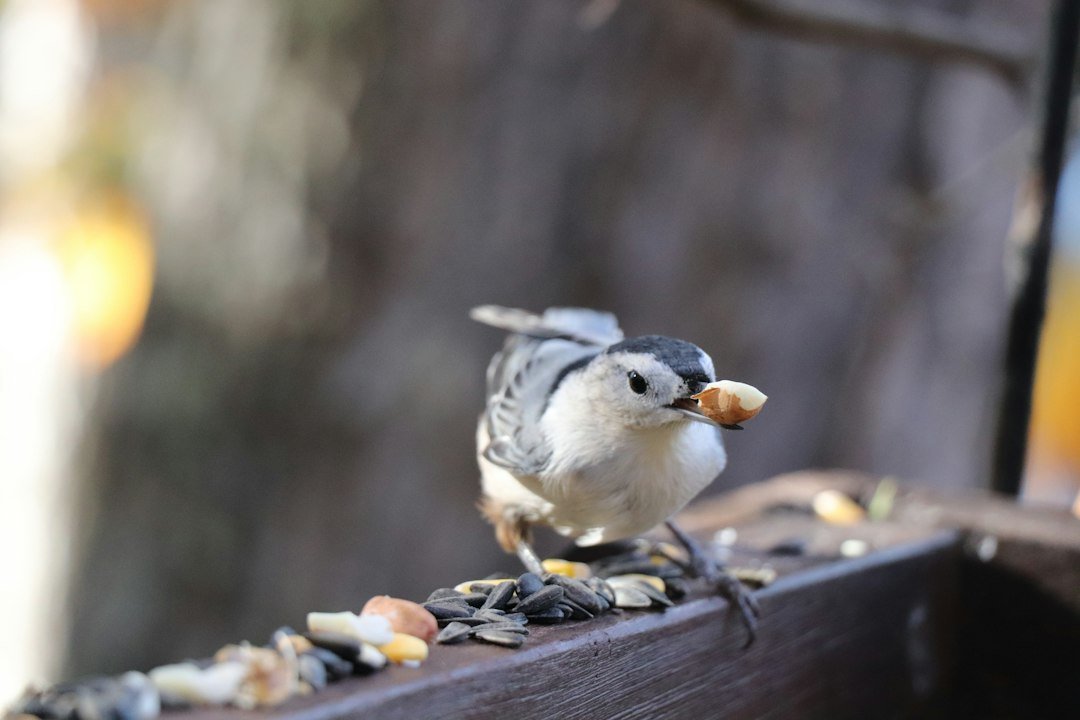
- Black Oil Sunflower Seeds: High in fat, these are a favorite for many species and provide essential energy.
- Safflower Seeds: A great option that many squirrels dislike, making it more accessible for birds.
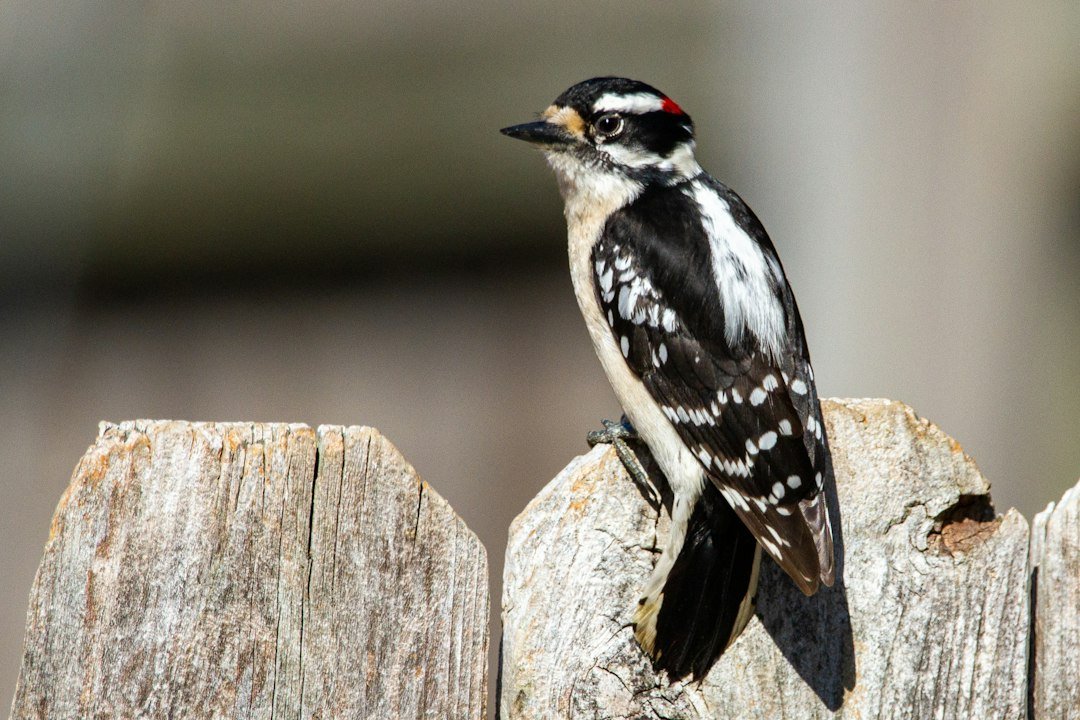
- Peanuts (shelled, unsalted): Packed with protein and fat, whole or chopped peanuts are a hit with jays, woodpeckers, and chickadees.
- Suet: An excellent source of fat, suet can be offered in a cage feeder or as part of a mix if it’s a no-melt variety. This is a true winter staple!
- Millet: Small and easily digestible, millet is particularly good for ground-feeding birds like juncos and sparrows.
Consider adding cracked corn for larger birds. Avoid using mixes with a lot of filler ingredients like red milo, which many smaller songbirds tend to ignore. A thoughtfully prepared winter mix ensures your feathered visitors have the best chance of staying healthy and active, making your yard a vital oasis during the winter. It's a wonderful way to engage with nature, even on a chilly Christmas morning, and perhaps even find the perfect gifts for the birding enthusiasts in your life.