Beyond the Basics: Identifying Birds by Their Tails
Oct 12, 2026
Photo by Walter Coppola on Unsplash
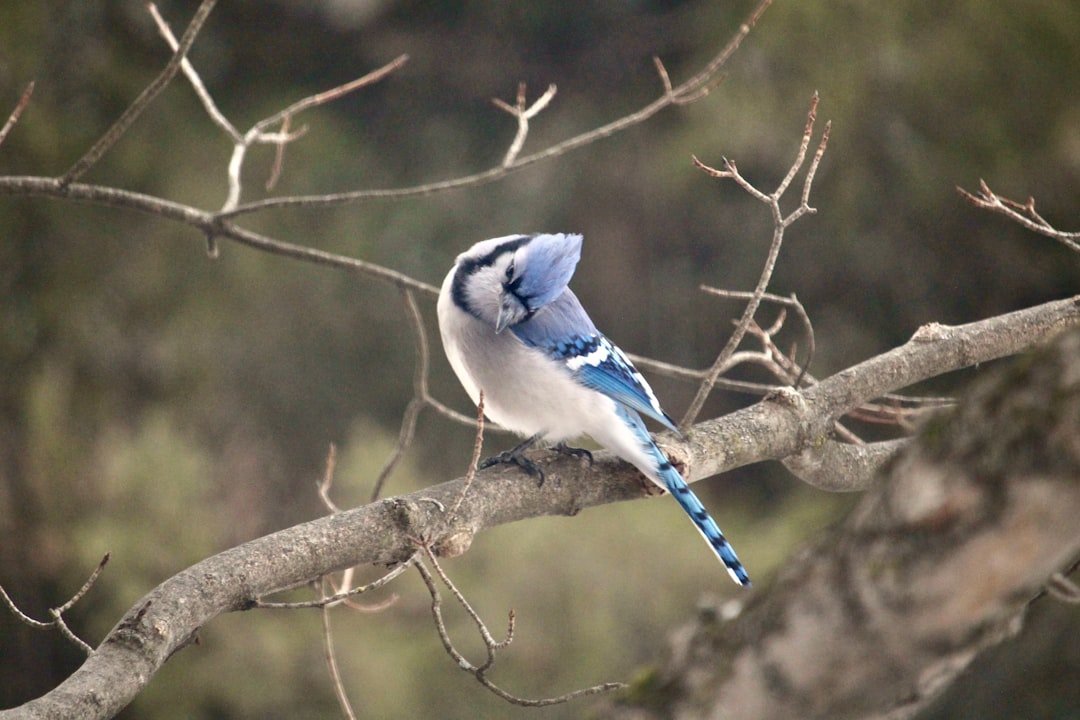
The Blue Jay, with its striking blue, black, and white plumage, is a familiar sight and sound in many backyards. Far from just a pretty face, these corvids are renowned for their intelligence, complex social structures, and surprisingly varied diet. Often heard before they're seen, their distinctive calls can range from cheerful chirps to harsh scolds.
Blue Jays are omnivores with a flexible diet. While they enjoy seeds and nuts (especially acorns, which they often cache for later), they also eat insects, small rodents, and even the eggs or young of other birds. This adaptability allows them to thrive in various habitats across eastern and central North America.
To invite these bold birds to your feeder, offer a mix of offerings. Black oil sunflower seeds and peanuts are often a big hit. However, their assertive nature means they can sometimes dominate feeders, especially if you have smaller, shyer birds visiting.
While Blue Jays are intelligent and can be boisterous, understanding their needs can lead to a more harmonious backyard birding experience. Their presence adds a dynamic and intelligent energy to any garden.
Choose what we may store. You can change this anytime via “Cookie preferences” in the footer.