Winter's Palette: Top 5 Birds to Spot in Your Backyard This Season
Oct 14, 2026
Photo by Joshua J. Cotten on Unsplash

Backyard bird feeders do more than provide a bit of beauty and activity outside your window. When used thoughtfully, they can play a big role in supporting local wildlife — especially as natural habitats face increasing pressure from urban development, climate change, and habitat loss.
Whether you’re a seasoned birder or new to the hobby, your feeder can make a real difference for the birds in your area. Here’s how.
Wild birds spend much of their time searching for food. Feeders help supplement their diets, especially during challenging times:
By offering high-quality seed, suet, or nectar, you’re giving birds the boost they need to thrive.
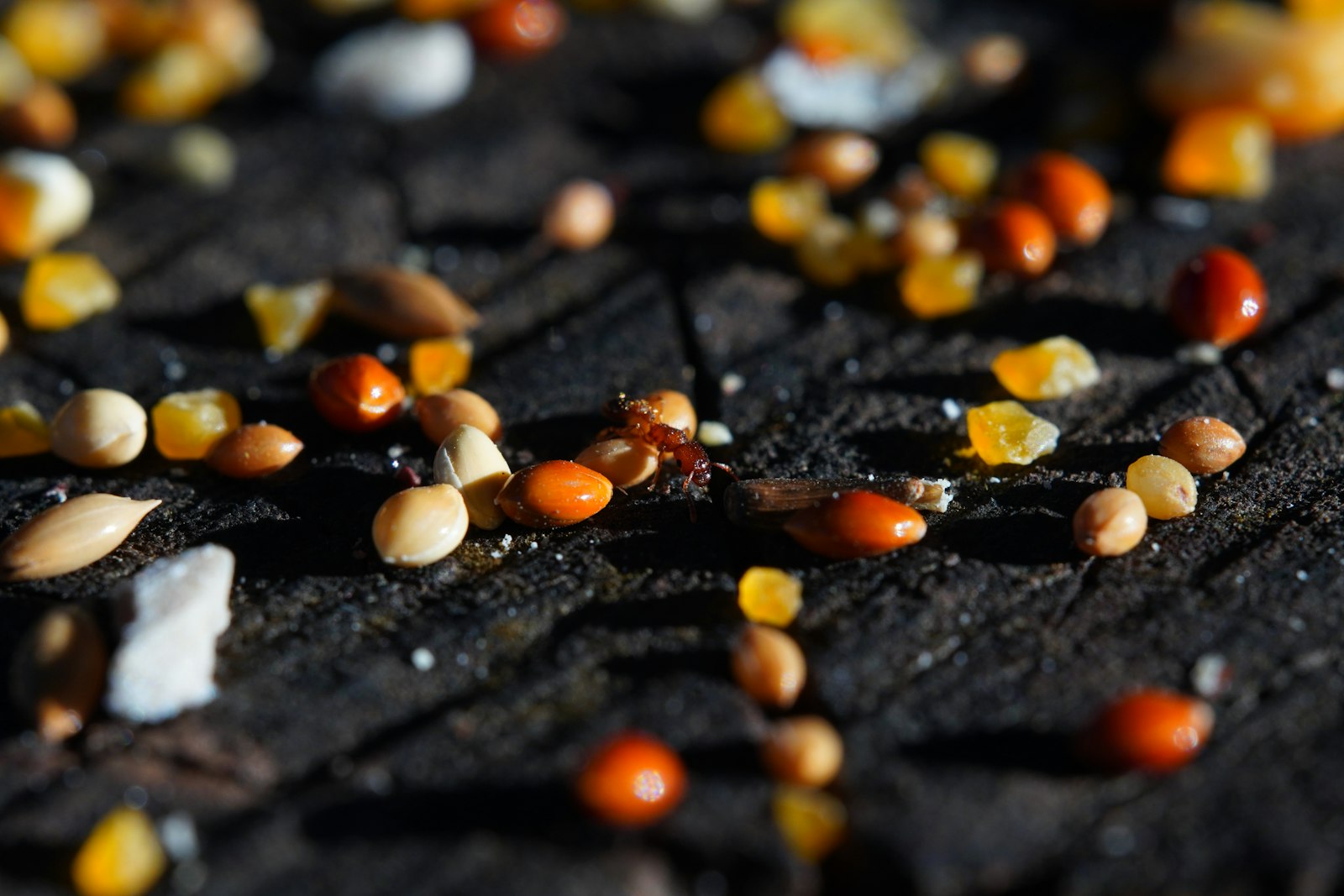
Different foods attract different species. By offering a mix — sunflower seeds, nyjer, suet, and nectar — you’ll invite a variety of birds into your yard.
More species mean greater biodiversity, which helps maintain a healthier local ecosystem. Birds play important roles in controlling insects, dispersing seeds, and pollinating plants.
Responsible feeding is essential. To truly help wildlife, feeders should be:
A safe, well-maintained feeder helps ensure that birds benefit without added risks.
Feeders aren’t just good for birds — they’re good for people, too. Watching birds up close builds appreciation for local wildlife, inspiring families and communities to care more about conservation. Children who grow up with feeders often develop a lifelong interest in nature and protecting the environment.
Smart bird feeders take these benefits a step further:
With BirdReel, bird lovers get the tools to enjoy birdwatching while actively supporting their local ecosystems.
When you hang a feeder, you’re doing more than decorating your yard. You’re offering food, safety, and shelter for birds that are increasingly challenged in the wild.
Every seed you provide, every drop of nectar you offer, and every safe perch you maintain helps make your neighborhood a better place for wildlife.
Choose what we may store. You can change this anytime via “Cookie preferences” in the footer.